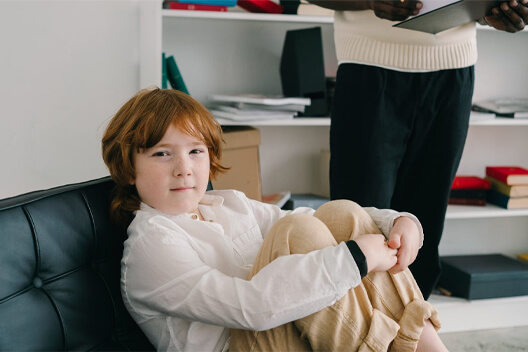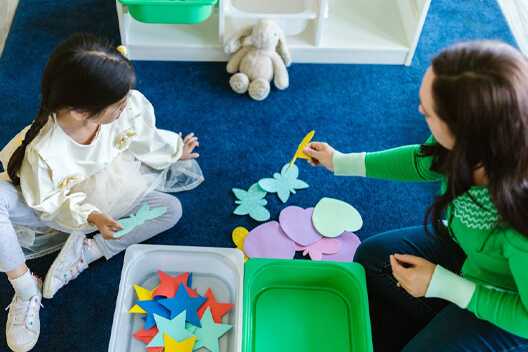

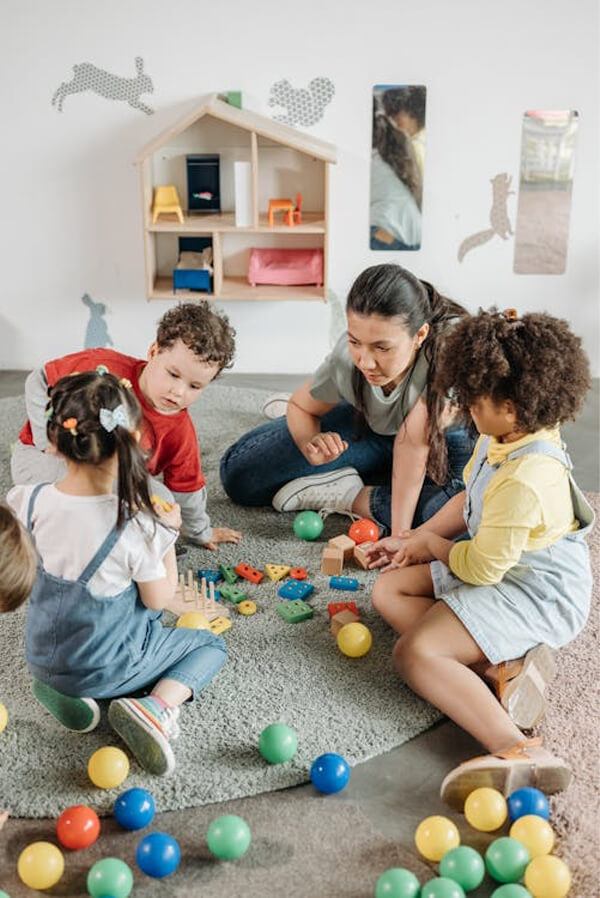
For children with developmental disorders, we offer specialized four-hour programs—interventions designed as clearly defined paths where our therapists help the little ones progress step by step, develop their skills, and find their own bearings, much like explorers gradually learning to read the maps of their own universe.

Children benefit from emotional support services designed to help them understand their feelings and build resilience. In a warm and structured environment, they learn to recognize changes, emotional "currents," and the personal resources that can guide them toward harmonious development.
The cost varies depending on the complexity, the number of tests used, and the number of hours required to prepare the assessment.
The drafting and issuance of the report are handled separately upon the parent's request, with fees varying based on the complexity and purpose of the report.
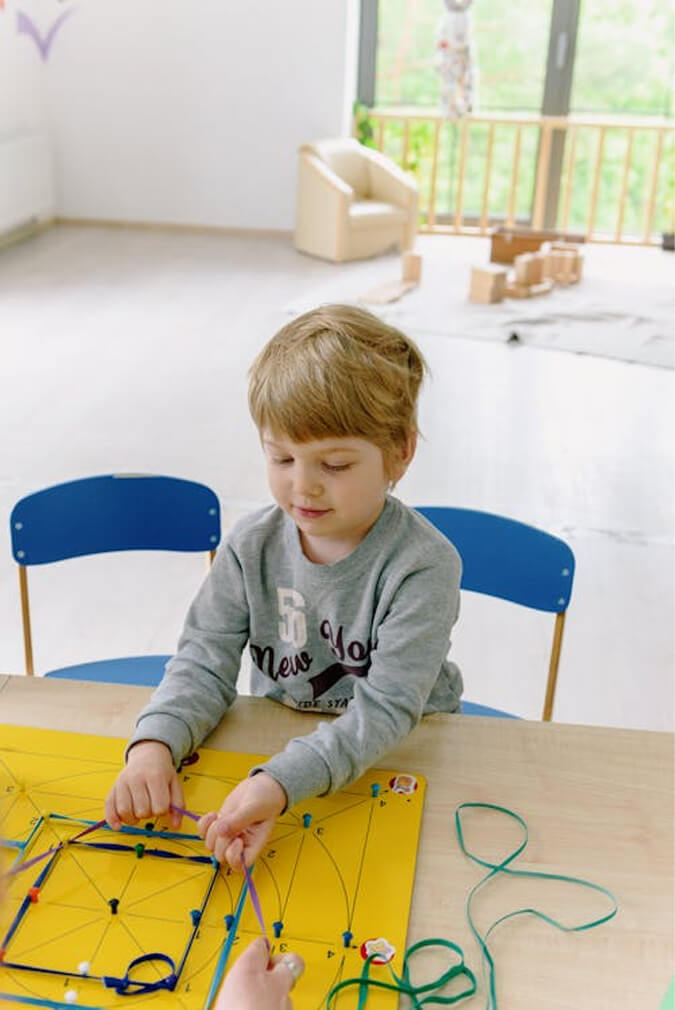

Social/personal development groups with themes proposed by the facilitating therapist.
It is a form of emotional and behavioral support tailored to the child's age, using play, drawing, or simple conversations.
Psychotherapy can be beneficial from preschool age through adolescence, depending on needs.
It can reduce anxiety, sadness, and behavioral problems, and improve confidence and relationships.
Play therapy, cognitive-behavioral therapy, and emotional counseling are the most common. What types of psychotherapy are suitable for children?
The child participates in activities, games, or discussions guided by the therapist.
Generally, 30–50 minutes, once or twice a week, as recommended by the therapist.
The therapist adapts the activities and encourages participation without pressure.
Usually it is the child, but parents may be involved in periodic support sessions.
Support the child at home and collaborate with the therapist on their progress.
Listening to him, encouraging the expression of emotions, and following the therapist's recommendations.
Anxiety, sadness, anger, behavioral problems, academic or social difficulties.
Yes, child therapists use special methods to handle these situations.
Yes, such behaviors can be signs that he or she needs emotional support.
Yes, but the therapist can share information with the parents that is relevant to the child's safety.
Overall progress and recommendations, without revealing everything the child says during the session.
Yes, therapists are trained to create a safe and supportive environment.
It varies depending on the specialist and location; this can be checked in advance.
Some insurance policies cover it; it is a good idea to check the policy terms.
Individual, if personal attention is needed; group-based, for social development and communication with other children.

For about two years, the sessions provided a safe space where I could unburden myself, feel understood, bring order to my thoughts... →
C.S.
Thank you for the professionalism and dedication with which you support my child's development. Your intervention has a visib... →
A.G.
My therapeutic journey with you has been the best investment I have ever made in my personal development. I still recall our conve... →
I.M.
The therapist made me feel truly seen and understood. She showed me what it’s like to have someone by your side every step o... →
A.S.
From generalized anxiety, panic attacks, and depressive episodes to finding my passion and standing before people, offering them h... →
D.P. - 63
First of all, I want to thank you so much for being by my side throughout this time and for knowing exactly what awakens and foste... →
G.I.